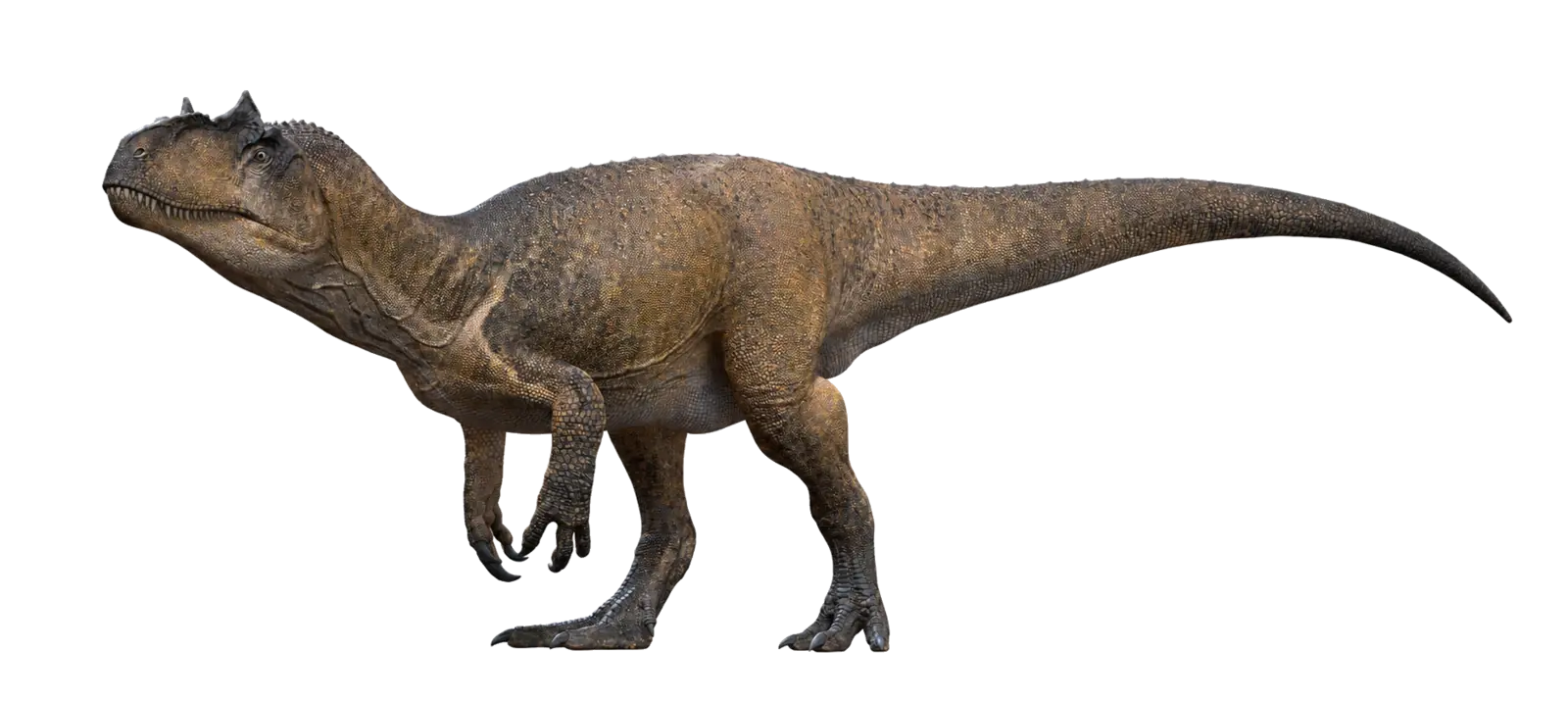
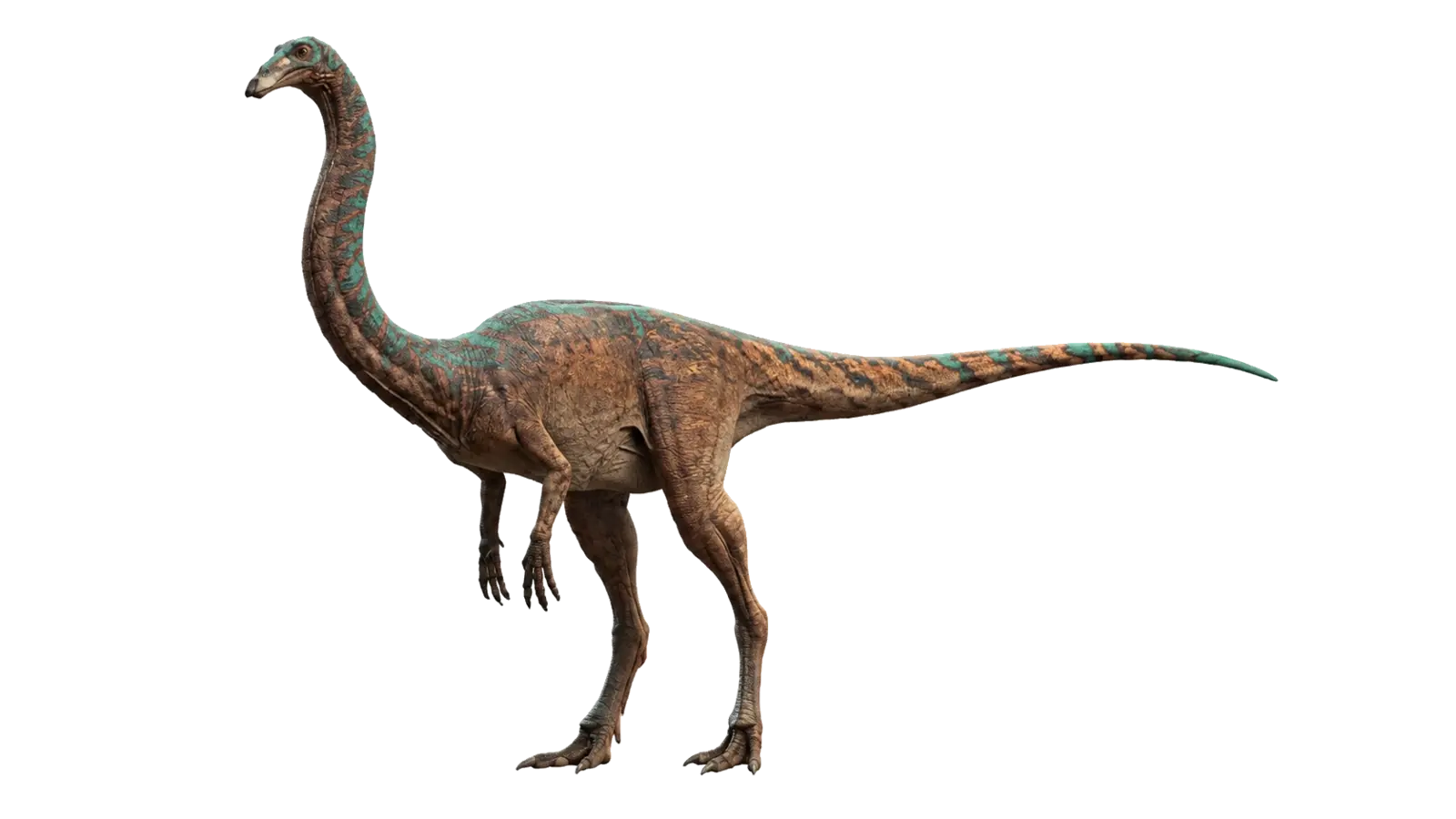
Overview and gameplay loop
Spot danger early. Keep the herd ahead.
Gallimimus suits players who scout ahead and guide the herd away from danger. Keep communicating, choose open running routes and change direction early when a threat appears. Kick to reopen space for an escape, not to remain in a trading fight.
+Speed
+Group buffs
+Social playstyle
−Low damage
−Separation removes the advantage
−Dense forest is difficult to run through
Special abilities and controls
Verified against the current ability set in patch 0.21.772. Shown keys are defaults; players with custom binds should check Settings → Controls.
Combat and unique abilities
Choose the attacking foot with the input and camera direction; a standing attack stops your movement.
Kick with the matching foot, consuming stamina and adding minor knockback; damage scales with speed.
A forward-foot attack while jumping, used to create space rather than sustain a trade.
Sweep toward the camera but stop your movement; use it after the target commits.
Keep the herd within range for speed and group buffs; three full nutrient bars provide the best speed.
Survival and environmental interactions
Grassland provides vision and running lanes
Forest splits the formation
Omnivore food is spread widely
Use high ground as a rally point
EInteractWallow at a mud pool to reduce tracks and scent for a while.
QScentScent while standing still to read water, diet, carcasses, tracks and distant zones.
GCarcass interactionCorpse handling: tap to tear off a chunk; hold to drag or carry it when mass allows.
HRestRest / safe logout: rest out of sight; never lie on a trail or directly between others and water.
All basic controls +
Use SHIFT to sprint and Z to switch trot or walk for tighter turns.
Hold longer for greater range; tap Q to open the compass.
Eat, drink, wallow, use nests and interact with resources.
Tap to tear off a chunk; hold to drag or carry a valid object.
Rest for faster recovery; hold H to sleep and log out safely.
View growth, diet, mutations, sex, group and asset location.
Broadcast · friendly · threaten · help. Loud calls reveal your position.
Use N to pair or place a nest; B builds a mound nest for supported species.
Damage by ability
Actual damage also depends on mass, hitbox, attack direction, bleed and server balance. The table separates fixed values from scaling abilities to avoid treating community figures as absolute damage.
Community reference for Bite; actual results still vary with mass, hitbox and server balance.
Kick scales with target state, mass, speed or contact conditions; use the listed value as a reference rather than guaranteed damage.
Community reference for Group Buff; actual results still vary with mass, hitbox and server balance.
Recommended mutations
This list is the species-wide foundation. After choosing a build below, follow its dedicated loadout order instead of keeping the general priority.
Improves stamina uptime for repeated movement and ability rotations.
Supports larger coordinated groups when leading.
Improves daytime stamina recovery.
Reduces how often you must visit dangerous water sources.
Two builds & detailed guides
Choose the role you want to play in this life. These are EFG tactical recommendations, not universal meta builds for every matchup.
Herd runner
Maintain herd formation.
The flock buff works only while formation holds; circle back for stragglers instead of splitting the herd.
Choose in order from 01 → 04
Prioritize the first mutation in the list. If it is unavailable or slot-limited, use the next option and check again at the next milestone.
Lowers the stamina-regeneration threshold and requires an activity unlock.
UNLOCK REQUIRED · Slot 2 or 3Improves daytime stamina regeneration for herbivores.
Increases group size while you are the leader.
Slows hydration drain.
TACTICAL GAMEPLAY LOOP
Find a herd with short friendly calls instead of repeated broadcasts.
Maintain calls and buffs → the scout finds danger → the herd turns before contact → kick only to reopen running space.
The flock buff works only while formation holds; circle back for stragglers instead of splitting the herd.
CONDITIONS FOR THIS BUILD
↗Grassland provides vision and running lanes
↗Forest splits the formation
+A herd can maintain formation and benefit from the flock buff.
+Group buffs
−Low damage
−Separation removes the advantage
NOTE: A build guides decisions; it does not replace reading hitboxes, stamina, team numbers and server-specific settings.
Scout
Scout the route ahead.
The scout reports the threat direction and rejoins the herd; kicks create space rather than start a duel.
Choose in order from 01 → 04
Prioritize the first mutation in the list. If it is unavailable or slot-limited, use the next option and check again at the next milestone.
Makes tracks fade faster to help break pursuit.
Improves awareness and footstep detection while eating or drinking.
Restores hydration from plants during long Migration routes.
Slows hydration drain.
TACTICAL GAMEPLAY LOOP
Learn the group buff rhythm and shared speed.
Maintain calls and buffs → the scout finds danger → the herd turns before contact → kick only to reopen running space.
The scout reports the threat direction and rejoins the herd; kicks create space rather than start a duel.
CONDITIONS FOR THIS BUILD
↗Omnivore food is spread widely
↗Use high ground as a rally point
+The group needs a runner ahead to report threat directions.
+Speed
−Separation removes the advantage
−Dense forest is difficult to run through
NOTE: A build guides decisions; it does not replace reading hitboxes, stamina, team numbers and server-specific settings.
Mutation names, unlock conditions and effects may change with hotfixes. EFG prioritizes developer data; unclear items are treated as community recommendations and should be verified against the in-game description.
Growth time, mass and diet
Gallimimus from 0% to 100%
Before Adult: one nutrient gives 100% growth speed, two give 200%, and all three give 300%. Diet does not speed up Elder ageing at 75–100%. The table assumes a 1× server.
Crab, Mountain Ash
Radish Flower, Fireweed
Radish Root, Bullfrog
Maintain α, β and γ together for 300% Growth. Each bar only needs a remaining value; when one reaches zero, speed immediately drops to the corresponding tier.
AI spawns by region and player/server density; spawn descriptions refer to habitat types, not guaranteed coordinates.
A large, low green-brown frog that stays close to wet ground and shorelines.
Swamps, riverbanks and wet areas; search slowly along the water instead of sprinting through the zone.Flat armor and side claws, moving sideways across sand or rock.
Coasts, mudflats and very shallow water; scan along the shoreline.Prime stats for Gallimimus
ADULT · 75%535 kg
→PRIME PEAK · ≈87,5%560 kg
ADULT · 75%45.6 km/h
→PRIME PEAK · ≈87,5%54 km/h
ADULT · 75%25
→PRIME PEAK · ≈87,5%28,75
Peak is the comparison point above. Prime usually rises from 75%, peaks around 87.5%, then enters Elder decline. Mass, speed and Bite Force use the Prime Peak value at roughly 87.5%; hotfixes may change these stats.
From first spawn to Prime
Find a herd with short friendly calls instead of repeated broadcasts.
Learn the group buff rhythm and shared speed.
Place one scout ahead of the formation.
Even at Prime, win by disengaging rather than tanking.
Sanctuary juvenile
Perfect Diet
2 Migration
4 Patrol
Avoid negative mutations
Read the Prime guideGallimimus · Science & another perspective
Gallimimus means 'chicken mimic', referring to neck-bone shapes that reminded researchers of birds.
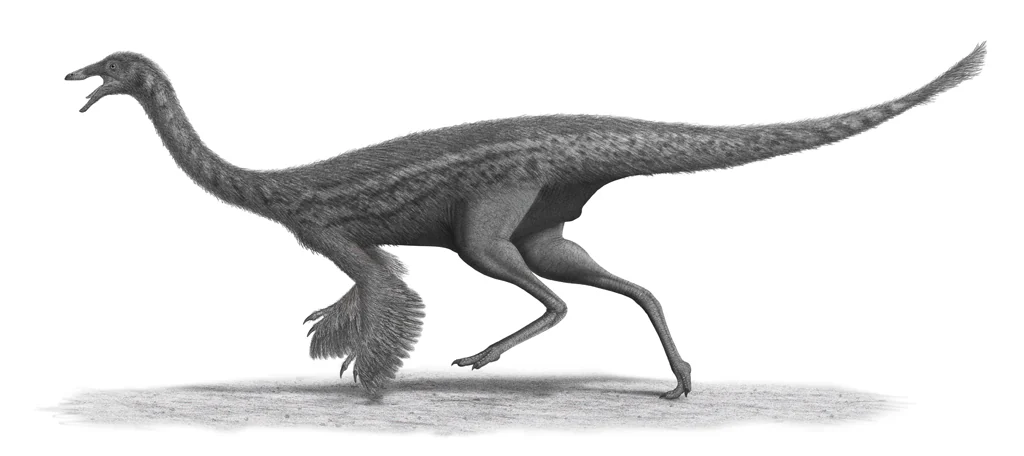
Reconstructing Gallimimus
A Gallimimus reconstruction by Steveoc 86. The form reflects the artist’s interpretation of evidence; coloration and soft tissues should not be treated as a photograph of the living animal.
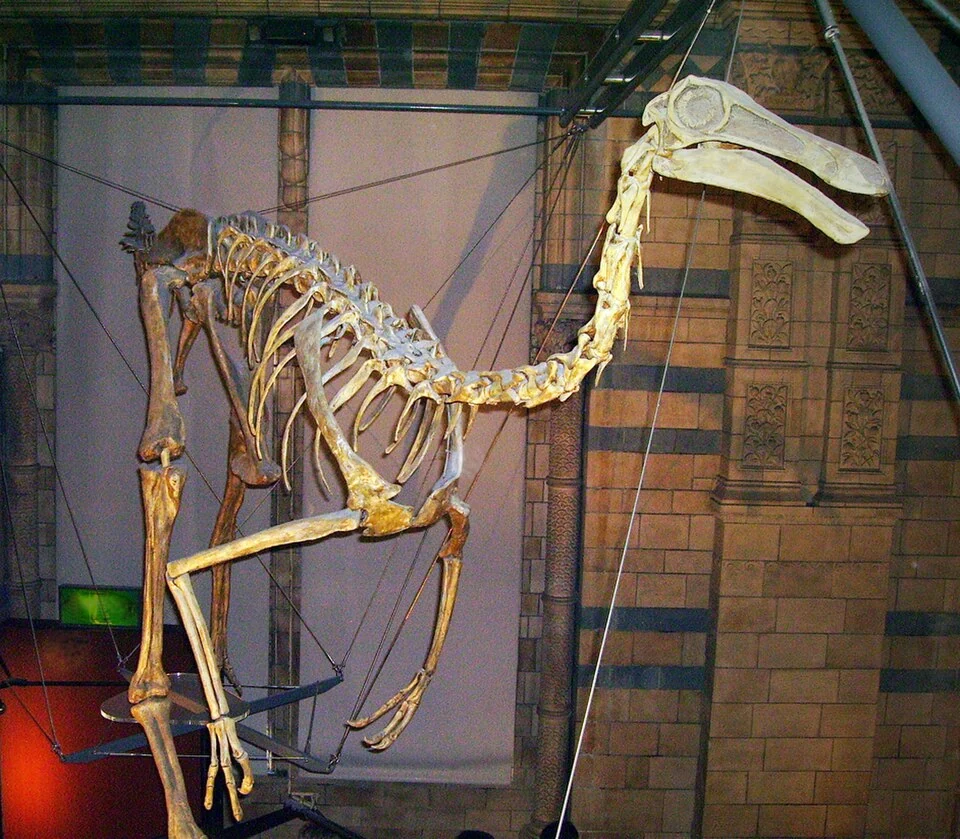
The skeleton of a long-legged animal
Gallimimus skeleton at the Natural History Museum in London. The legs, neck and tail create proportions very different from the large-headed theropods in the same game.
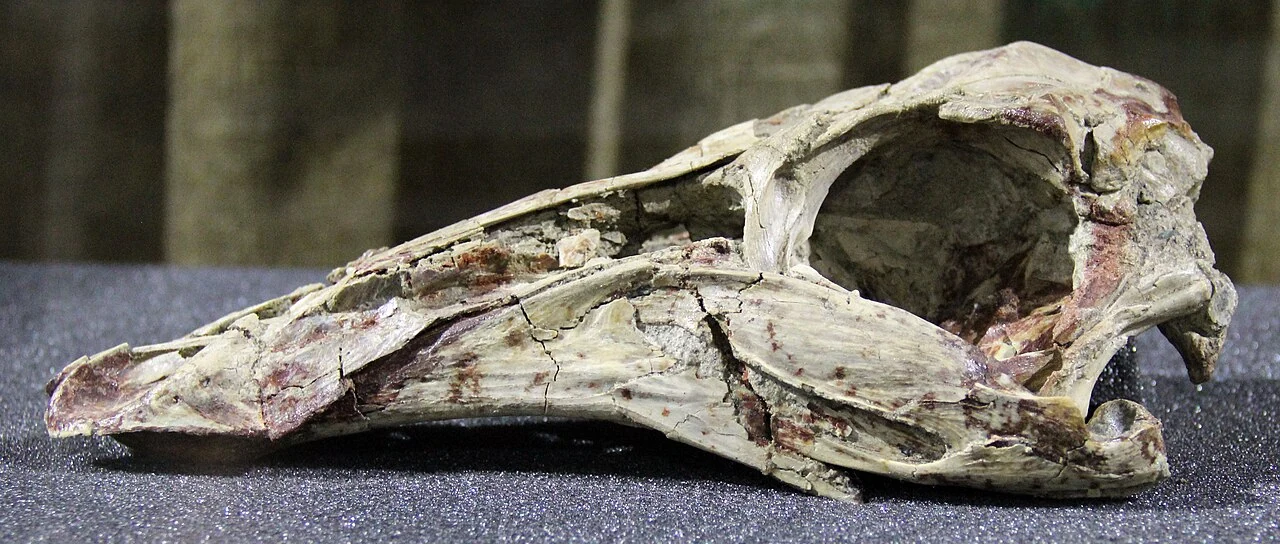
The head in close view
Gallimimus skull at the Central Museum of Mongolian Dinosaurs in Ulaanbaatar. It documents head shape without treating in-game herd support effects as fossil evidence.
It had a toothless beak and long legs; its actual diet may have been more flexible than a strictly herbivorous image suggests.
Momentum and flocking turn speed and herd behavior into a mobile support role.